os dias todos iguais, esses assassinos...


      CAT POWER Maybe Not


#070 SONHOS MEXICANOS...


© meridith kohut


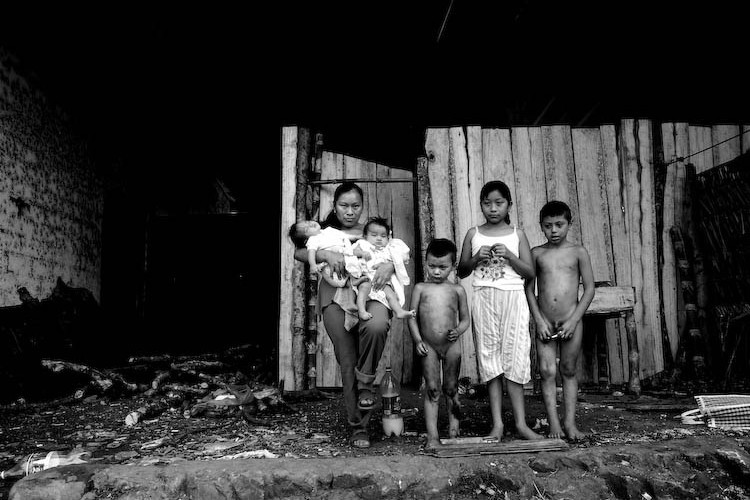
Maria do Rosário Ruiz num retrato com os seus cinco filhos (Ruth, Jesus, José e as gémeas Gabriela e Graciela, de seis meses de idade) em frente à sua pequena casa, num acampamento para trabalhadores no sul do México. Os sete membros da família dormem em tapetes da palha e compartilham a cozinha e a casa de banho com as outras famílias de trabalhadores migrantes da cana do açúcar (2006).

Em cima, Emmanuel Sanchez, de 6 anos, regressa a sua casa em Los Fresnos depois de mostrar o seu fato de fantasma aos primos, que vivem do outro lado da fronteira, em McAllen, no Texas (31 de Outubro de 2005).


Maria Rosario Bacat Ruiz poses for a family portrait in front of her small home with her five children, Ruth, Jesus, Jose and six-month old twins Gabriela and Graciela, in a camp for migrant sugarcane laborers and their families outside of Tuxtepec in southern Mexico.

On the top: Emmanuel Sanchez, age 6, quietly returns to his home in the Los Fresnos border colonia in his home-made ghost costume after visiting his cousins in McAllen, Texas on Oct. 31, 2005.


México, 2005 e 2006.

#069 GIRL IN SARAJEVO

© reza


Criança  de 9 anos fotografada numa rua de Sarajevo no Natal de 1994, quando vendia as suas bonecas para arranjar dinheiro para comprar comida para a família.

In war-torn Sarajevo, Reza finds a girl selling her Christmas presents in order to provide food for her family...


Sarajevo, Dezembro de 1994.

#068 HISTÓRIA DE UMA BELA HUMANIDADE: 25 ANOS DEPOIS...


© antero de alda


In 1980 the French photographer Gérard FOUREL went to Barroso, and he says he saw "the memory of a beautiful view of humanity”. With Georges Dussaud, he made what is unquestionably the most comprehensive collection of photographic work on that region beyond the mountains. Interestingly, in 2005 I found in Barroso, some of its characters, unscathed survivals for more than 25 years of absence...


Nossa Senhora do Monte, Cerdedo, Boticas 2008. http://www.anterodealda.com/barroso

#067 GENS DU BARROSO: HISTOIRE D'UNE BELLE HUMANITÉ


© gérard fourel


«Le Barroso peut s'enorgueillir d'ètre un des derniers lieux ou le mot Humanité a un sens.» Gérard FOUREL


Lavradas, Boticas 1983. http://www.gerard-fourel.com/barroso

#066 QUOTIDIANO(S) II

© paulo fogg


Viana do Castelo, 2008.

#065 KENIA'S POST ELECTION VIOLENCE, 2007


© walter astrada


A 30 de Dezembro de 2007, após três dias das eleições no Quénia, a Comissão Eleitoral declarou reeleito o Presidente Mwai Kibaki. Pouco depois, os diversos confrontos étnicos provocaram um derramamento de sangue.

Kibaki era acusado de favorecer a comunidade Kikuyu, a maior tribo do Quénia, que se instalou nas estruturas de poder desde a independência em 1963.

Algumas semanas após as eleições de 27 de Dezembro, uma estimativa da Cruz Vermelha apontava para mais de 1.000 mortos e cerca de 300 mil deslocados.

On December 30th 2007, three days after elections were held in Kenya, the Electoral Commission declared President Mwai Kibaki re-elected and he was hurriedly sworn in. Since then Kenya has been convulsed by ethnic bloodshed... http://www.walterastrada.com


Quénia, Dezembro de 2007.

#064 O PRAZER DE FOTOGRAFAR

Eternidade


Tema de pintores


A azenha


De regresso


© eduardo teixeira pinto


Amarante, anos 1950/60/70...

#063 MEMÓRIAS... INTIMIDADES


© carlos vilela

#062 ANGOLA: CHILDREN OF STREETS


© stéphane lehr


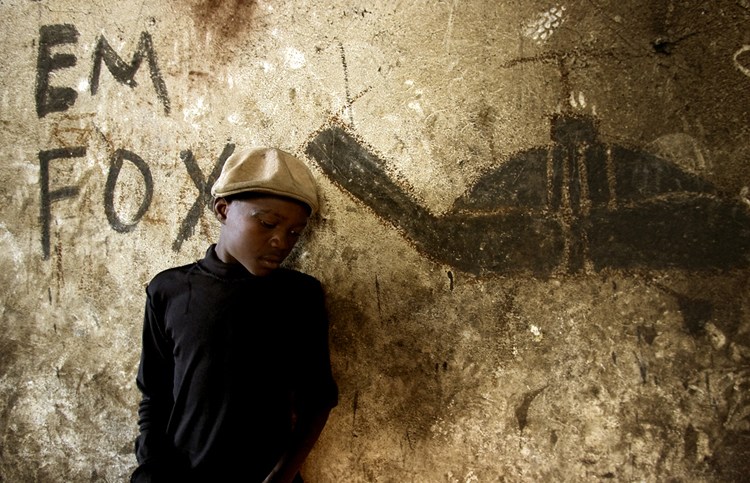
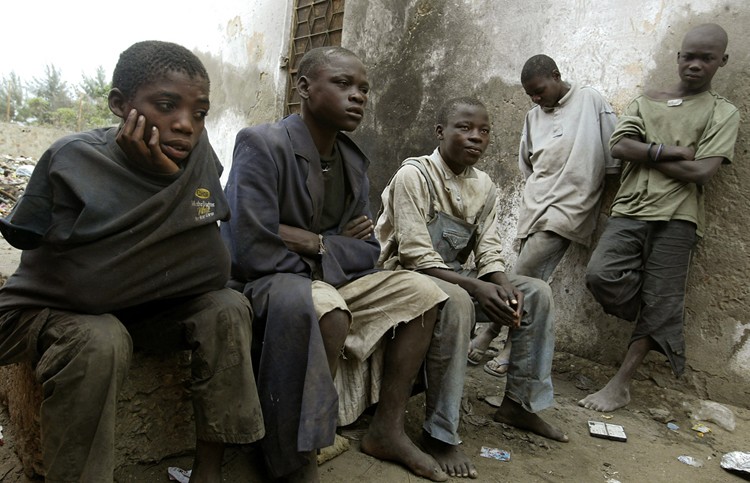
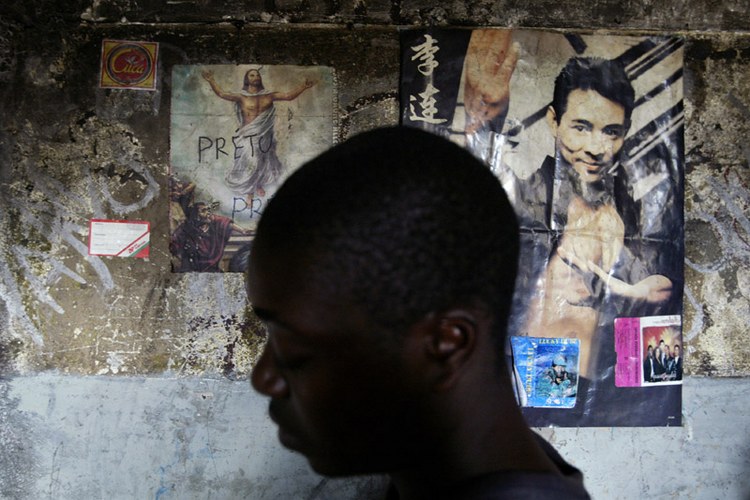
Estima-se que mais de 5.000 crianças vivem nas ruas de Luanda, a capital de Angola, sobrevivendo a roubar, a lavar carros ou até mesmo prostituindo-se. Vítimas da pobreza e das consequências dos sucessivos conflitos civis, habituaram-se a viver snifando gasolina, cola e outros solventes, o que as torna mais vulneráveis às doenças e aos abusos continuados.


Angola has the natural potential to be one of the richest countries in Africa, but for nearly four decades the majority of angolans have known nothing but war and conflict. During this period, though, more people have died from malnutrition, disease and a lack of clean water and sanitation than as a direct result of the fighting. There are thought to be over 10,000 street children in Angola, of whom an estimated 5,000 are in Luanda, driven to the urban areas by both poverty and the civil war over the past eight years.

Conditions in Luanda are appalling. In the past 40 years a city with a population of 300,000 has become a sprawling mass of squalid slums with a population of over three million. There is no electricity, sewage removal or clean water in these shantytowns surrounding the central city.


#061 CURSE OF THE BLACK GOLD: THE NIGER DELTA SLAUGHTER

© ed kashi


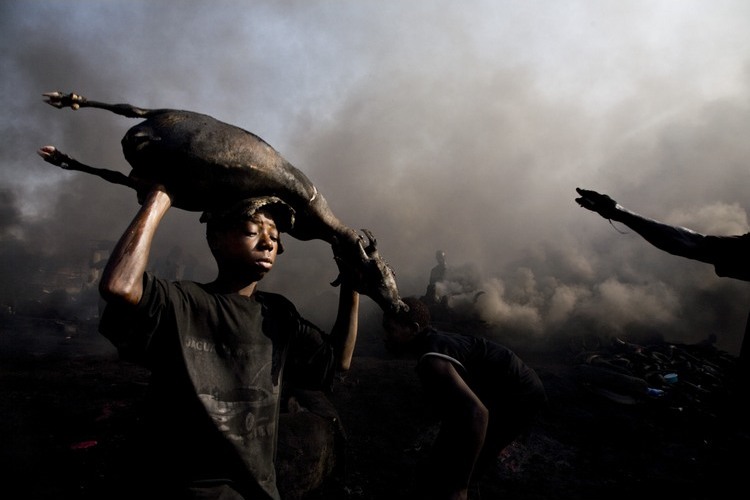
Tradicionalmente, o peixe era a principal fonte de alimento das populações do delta do rio Níger, no sul da Nigéria, mas a poluição das águas provocada pelo petróleo fez diminuir as reservas de pescado, pelo que o comércio de carne tem-se tornado mais comum.

Os trabalhadores do matadouro de Trans Amadi, onde diariamente são abatidos milhares de cabeças de gado, são maioritariamente muçulmanos das tribos Hausa e Yoruba, que têm de conviver com as nuvens de fumo da combustão dos pneus utilizados para cozinhar os animais.

The Trans Amadi Slaughter is the largest abattior in the Niger Delta. They kill thousands of animals a day, roast them, cut them up and prepare the meat for sale throughout the delta. Nearly all of the workers here, especially the meat handlers, are Muslims from the Hausa and Yoruba tribes of Northern Nigeria. Fish was traditionally the main source of protein in the Delta, but as fish stocks have dwindled due to pollution from oil and over fishing, meat has become more common. The smoke of burning tires that are used to cook the animals clouds the air that the young men who roast the dead animals must work in.

  http://www.edkashi.com/


A EXPLORAÇÃO DO PETRÓLEO NO DELTA DO RIO NÍGER

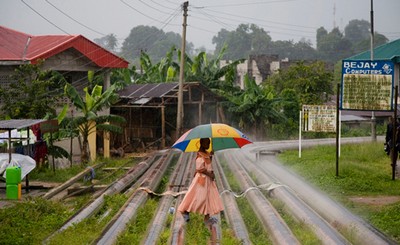
Nos últimos 50 anos a Nigéria tornou-se num dos maiores produtores de petróleo de África, cuja exploração se situa principalmente na região do delta do rio Níger. Porém, este facto não trouxe riqueza nem estabilidade política ao país, devido à incompetência de gestores e governantes. As condições de vida das populações são miseráveis e o clima de violência é constante.

In the 50 years since oil was first exported from the Niger Delta region, Nigeria has become the largest producer in Africa, earning $600 billion in oil revenues over the past five decades. But this historic windfall has not brought wealth or stability to Nigeria's people. Instead, oil wealth has led to crisis and decline, in what author Michael Watts calls "a gigantic failure of leadership and governance."


Delta do rio Níger, Nigéria 2006.

[ início home ]  [ anterior prev ]  [ seguinte next ]